

Table of Contents
- What Sustainable Practices in Christian Apparel Manufacturing Really Mean
- Biblical Principles of Sustainability in Fashion
- Environmental Impact: Why Manufacturing Methods Matter
- Fair Labor Practices and Human Dignity in the Supply Chain
- Ethical Christian Clothing Brands: How to Identify Them
- Minimalism and Christian Stewardship: Quality Over Quantity
- The True Cost of Ethical Manufacturing and Economic Accessibility
- Circular Fashion: End-of-Life Garment Management
- Frequently Asked Questions
Last Updated: October 2, 2026
What Sustainable Practices in Christian Apparel Manufacturing Really Mean
Sustainable practices in Christian apparel manufacturing embody stewardship, the biblical principle that we're caretakers of resources entrusted to us. Faith-inspired clothing carries a responsibility: to honor both creation and the people who make it.
Sustainable practices in Christian apparel manufacturing address three dimensions: environmental stewardship through responsible sourcing and production; human dignity through fair labor and safe conditions; and circular design for longevity and responsible end-of-life management.
Biblical principles of resource management, creation care, and human dignity form the theological foundation for sustainable practices, alignment between faith and business conduct.
Biblical Principles of Sustainability in Fashion
Scripture establishes stewardship as foundational: Genesis positions humanity as caretakers of creation, and Proverbs emphasizes wisdom in resource management.
Creation care encompasses respect for manufacturing workers. Biblical emphasis on human dignity, fair wages, and safe conditions directly contradicts exploitative labor practices that violate the Christian values the apparel is meant to express.
Quality over quantity reflects Christian stewardship: investing in durable items that serve for years reduces waste and honors craftsmanship.
Environmental Impact: Why Manufacturing Methods Matter
Chemical Use and Water Consumption
Conventional apparel manufacturing consumes enormous water, a single cotton t-shirt requires approximately 700 gallons, while chemicals used in dyeing, bleaching, and finishing contaminate waterways and harm downstream ecosystems.
Sustainable manufacturing uses water-efficient dyeing, natural plant-based dyes, and closed-loop systems that recycle water. Some facilities implement zero-discharge policies, treating wastewater to prevent chemical contamination.
Conventional cotton cultivation depletes soil and requires heavy pesticides, harming agricultural ecosystems. Sustainable alternatives prioritize soil health and biodiversity.
Organic Cotton and Eco-Friendly Material Sourcing
Organic cotton eliminates synthetic pesticides and fertilizers, protecting soil fertility and water quality. Though transition takes years, the long-term environmental benefits make it worthwhile.
Sustainable manufacturers explore alternatives: hemp requires minimal water and pesticides; linen is less chemically intensive than conventional cotton; recycled polyester and nylon reduce demand for virgin petroleum.
Ethical Christian clothing brands prioritize transparency about material sourcing, allowing consumers to align purchases with values and building accountability throughout the supply chain.
Fair Labor Practices and Human Dignity in the Supply Chain
Fair labor practices begin with fair wages that allow workers to meet basic needs with dignity. Sustainable manufacturers commit to wages reflecting the true value of skilled work and regional living costs.
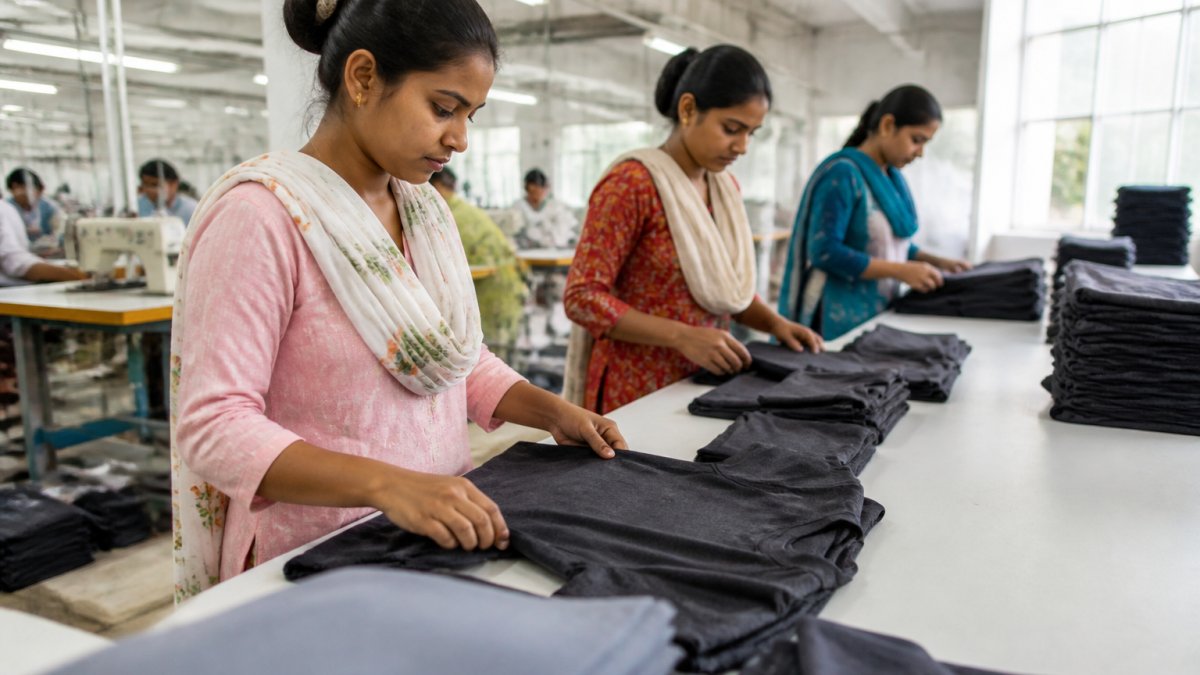
Safe working conditions, proper ventilation, ergonomic workstations, reasonable hours, and chemical protection, are non-negotiable. Third-party audits verify compliance with labor standards.
Supply chain transparency allows consumers to trace purchases to specific facilities and workers, enabling verification of fair labor claims rather than relying on assertions.
Ethical Christian Clothing Brands: How to Identify Them
Supply Chain Transparency Verification
Identifying ethical Christian clothing brands requires examining actual practices. Legitimate manufacturers openly share facility locations, worker demographics, production methods, and third-party verification.
Ask specific questions before purchasing. Where is the garment manufactured? Can the brand provide facility information? Do they publish regular impact reports showing wages, working conditions, and environmental metrics? Brands with nothing to hide welcome these inquiries.
Third-party certifications provide verification mechanisms. Fair Trade Certified indicates that production meets rigorous labor and environmental standards. B Corp Certification demonstrates that a company meets high standards for social and environmental performance.
Fair Trade Certification and Third-Party Audits
Fair Trade Certification specifically addresses labor practices, environmental impact, and community development (Donate to Fair Trade USA). Certified facilities must meet standards for worker wages, working hours, safe conditions, and environmental practices.
Third-party audits from organizations like the Fair Labor Association or Social Accountability International provide independent assessment of labor practices (FAQs). These audits examine wage records, working hours, union rights, and health and safety conditions. The presence of credible third-party oversight distinguishes genuine commitment from superficial claims.
When evaluating ethical Christian clothing brands, look for transparency about audit results. Brands willing to share audit findings, including areas needing improvement, demonstrate accountability. Perfect scores are less meaningful than honest assessment and demonstrated commitment to continuous improvement.
Minimalism and Christian Stewardship: Quality Over Quantity
The consumer culture of constant replacement contradicts Christian principles of stewardship and resource management.
Quality construction ensures garments withstand repeated washing and wearing. Reinforced seams, premium fabrics, and thoughtful design extend the lifespan of clothing.
Minimalist wardrobes also reflect the Christian principle of simplicity. Rather than accumulating possessions for status or distraction, intentional consumption focuses on items that genuinely serve purpose and align with values.
The True Cost of Ethical Manufacturing and Economic Accessibility
Ethical manufacturing costs more than exploitative production. Fair wages, safe working conditions, environmental protections, and quality materials increase production expenses. This reality creates a tension: how do sustainable brands remain economically accessible to consumers with limited budgets?
Honest ethical brands acknowledge this tension rather than pretending sustainability costs nothing. Some address accessibility through tiered pricing, offering entry-level pieces at lower costs alongside premium items.
The "true cost" of conventionally manufactured apparel includes hidden expenses: environmental degradation, health impacts on workers and communities, and resources depleted for short-lived products. When these costs are factored in, ethical manufacturing often represents better value despite higher price tags.
Circular Fashion: End-of-Life Garment Management
Sustainable practices in Christian apparel manufacturing extend beyond production to what happens when clothing reaches the end of its useful life. Circular fashion principles emphasize designing for longevity, repurposing, and responsible disposal rather than landfill dumping. From a theological perspective, stewardship doesn't end when we purchase a garment, it extends through the entire lifecycle, including how we eventually release that item back into the world.
Extending Garment Life Through Repair and Repurposing
Designing for durability means creating garments that can be repaired rather than discarded. Quality construction with reinforced seams, premium fabrics, and timeless designs allows clothing to be mended rather than replaced.
Repurposing worn garments represents a practical expression of Christian resourcefulness. A t-shirt with a small hole in the sleeve can become a cleaning rag, a pillowcase, or material for quilting projects.
This infrastructure acknowledges that garments are investments meant to serve for years, not seasons.
Donation and Textile Recycling
When garments reach the end of their wearable life, responsible end-of-life management includes donation and textile recycling.
Textile recycling programs break down worn garments into fibers that can be used for insulation, industrial materials, or new textiles. However, not all textile recycling is equally sustainable.
Faith communities can establish clothing collection programs specifically for textile recycling, educating members about responsible end-of-life practices.
Composting Natural-Fiber Garments
Garments made from 100% natural fibers, organic cotton, linen, hemp, wool, can be composted at the end of their life, returning nutrients to soil rather than persisting in landfills.
If composting is an option, remove all non-natural components: synthetic zippers, elastic waistbands, polyester thread, or plastic buttons.
Home composting works for natural-fiber garments, though industrial composting facilities reach higher temperatures that accelerate decomposition. If you maintain a home compost system, shred garments into small pieces to speed breakdown.
Theological Perspective on Garment Lifecycle
Christian stewardship extends to how we release resources back into the world. Rather than viewing worn clothing as personal waste to be discarded, stewardship invites intentional decisions about end-of-life management.
This perspective transforms how we relate to clothing. A garment isn't a disposable commodity but a resource entrusted to our care for a season. When that season ends, stewardship requires thoughtful decisions about what happens next.
| End-of-Life Option | Environmental Impact | Accessibility | Best For |
|---|---|---|---|
| Repair and mending | Extends lifespan, reduces replacement demand | Requires access to repair services or skills | Garments with minor damage, quality construction |
| Donation to thrift/faith organizations | Extends garment life, reduces landfill waste | Accessible to most consumers | Wearable clothing no longer needed |
| Textile recycling (mechanical) | Recovers fiber material, reduces landfill burden | Requires local recycling infrastructure | Mixed-fiber garments, heavily worn items |
| Textile recycling (chemical) | Recovers fiber material at molecular level, enables quality reconstruction | Limited availability, higher processing impact | High-quality natural fibers worth recovering |
| Home or industrial composting | Returns nutrients to soil, zero landfill impact | Requires 100% natural fibers and natural dyes | Organic cotton, linen, hemp garments |
| Upcycling and creative reuse | Extends material life, reduces waste | Requires creativity and time investment | Garments with character or unique qualities |
Frequently Asked Questions
What defines ethical Christian fashion?
Ethical Christian fashion combines faith-based values with responsible manufacturing practices. It means producing apparel through fair labor practices, using eco-friendly materials, minimizing environmental harm, and ensuring garment workers receive dignified wages and safe working conditions. For Christian brands specifically, it also reflects stewardship principles, treating creation and people with respect as part of living out biblical values. Ethical Christian clothing brands prioritize transparency about where and how their products are made.
How can clothing brands practice biblical principles of sustainability in fashion?
Biblical stewardship calls Christians to care for creation and treat workers as bearers of God's image. Brands can apply this by sourcing organic cotton and eco-friendly materials to reduce environmental degradation, ensuring fair wages and safe conditions in their supply chain, using sustainable manufacturing methods that minimize chemical use and water waste, and designing quality pieces meant to last rather than encouraging throwaway consumption. This approach honors both creation care and human dignity, core biblical principles reflected in how products are made from raw material to finished garment.
How do I verify that an ethical Christian clothing brand is actually practicing what it claims?
Look for supply chain transparency, reputable brands publish information about where their factories are located and often conduct third-party audits. Check for certifications like Fair Trade, Global Organic Textile Standard (GOTS), or B Corp status, which require independent verification. Ask brands directly: Do they publish impact reports? Can they name their manufacturers? Do they share information about worker wages and working conditions? Legitimate ethical brands are transparent about the true cost of production and willing to answer questions about their practices. Be skeptical of vague claims without supporting documentation.
Why does sustainable apparel manufacturing cost more?
Ethical manufacturing costs more because it prioritizes people and the environment. Fair wages for garment workers, safe working conditions, organic material sourcing, and sustainable production methods all increase expenses compared to conventional fast fashion. Additionally, quality construction designed for durability means fewer replacements over time. While prices may seem higher upfront, ethical apparel often lasts longer, reducing the true cost per wear. Transparent brands also invest in supply chain verification and third-party audits. Supporting sustainable practices means accepting that genuine ethical production requires fair compensation for both labor and environmental responsibility.