

Table of Contents
- What Defines an Ethical Clothing Brand
- Key Certifications and Standards for Ethical Fashion
- How to Spot Greenwashing in Fashion
- Supply Chain Transparency and Labor Rights
- How to Verify Charity Apparel Donations
- Building a Sustainable Wardrobe on Your Budget
- Your Checklist for Choosing Ethical Brands
Last Updated: August 20, 2026
What Defines an Ethical Clothing Brand
An ethical clothing brand is a company that prioritizes fair labor practices, environmental responsibility, and transparency throughout its supply chain while producing apparel that aligns with consumer values. What separates ethical brands from conventional retailers is their commitment to measurable impact, they publish information about factory locations, worker wages, and environmental practices rather than keeping supply chains opaque.
The ethical fashion movement emerged as a direct response to fast fashion's documented harms. When a typical garment passes through multiple countries before reaching stores, oversight becomes essential. Ethical brands address this by controlling or closely monitoring each step, from fiber production to final delivery.
At IGIT Apparel, this commitment extends beyond materials and labor; every purchase directly supports Christian youth ministries and initiatives, embedding purpose into the purchase itself. The practical difference shows up in durability and design longevity, a piece from an ethical brand typically lasts longer because the maker has invested in quality rather than cutting costs through shortcuts.
Key Certifications and Standards for Ethical Fashion
Certifications provide third-party verification that a brand's ethical claims hold up to scrutiny. Without standards, "ethical" becomes meaningless marketing language.
Fair Trade Certification ensures that workers receive fair wages and work in safe conditions. Fair Trade auditors conduct unannounced factory inspections and verify wage records, with a portion of proceeds funding community development projects.
Global Organic Textile Standard (GOTS) certifies that fabrics are produced from organically grown fibers without synthetic pesticides or genetically modified seeds. This matters because conventional cotton farming uses roughly 16% of global pesticides despite occupying only 2.5% of agricultural land.
B Corp Certification evaluates the entire company's social and environmental performance across governance, worker treatment, customer impact, and environmental stewardship. Recertification happens every three years, ensuring ongoing accountability.
Bluesign focuses specifically on chemical safety in textile production, preventing hazardous substances from entering manufacturing processes and protecting both workers and the environment.
Cradle to Cradle certification assesses products across material health, material reutilization, renewable energy, water stewardship, and social fairness, taking a holistic view of product lifecycle.
When evaluating a brand's certifications, look for specificity. A brand listing multiple certifications should have documentation showing which products carry which certifications. Generic claims like "we support fair trade" without a certification number signal greenwashing.
How to Spot Greenwashing in Fashion
Greenwashing occurs when brands use vague environmental language to appear ethical without substantive changes. The fashion industry is rife with this because consumers increasingly care about sustainability, yet actual change requires investment and complexity.
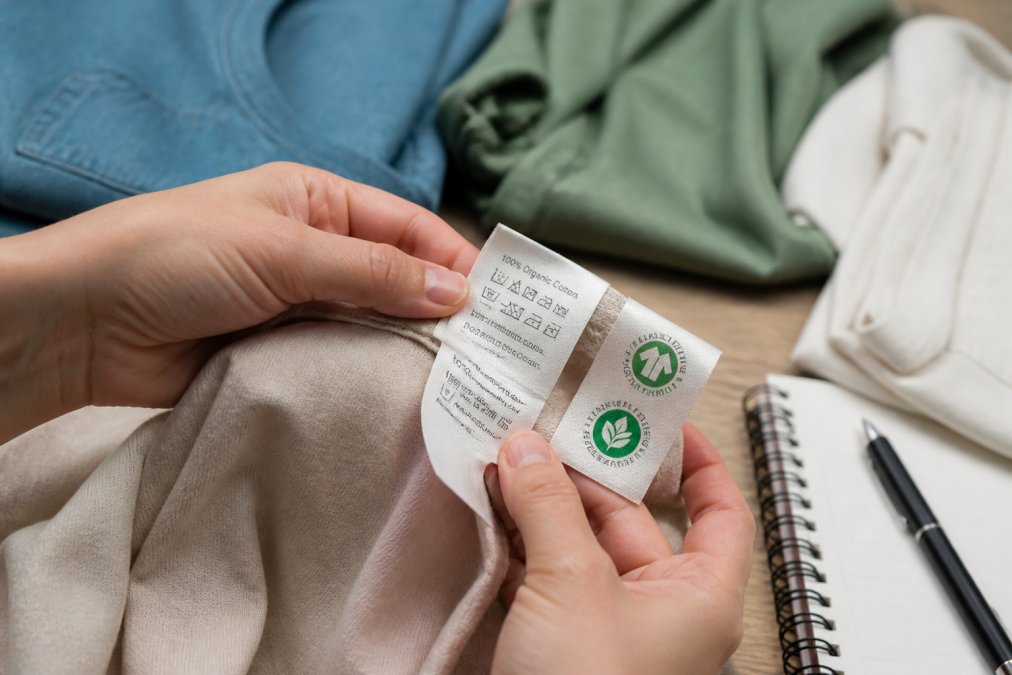
Common tactics include using terms like "eco-friendly," "sustainable," or "green" without specific meaning. A brand might use one organic cotton blend in a collection and market the entire line as sustainable. Another red flag is vague sourcing claims like "ethically sourced materials" without naming factories, regions, or audit standards. Legitimate ethical brands publish supply chain details: factory names, locations, worker counts, and audit results.
Look for the difference between aspirational messaging and actual practice. A brand saying "we're committed to sustainability" is making a promise. A brand saying "we source 40% organic cotton and have committed to 60% by 2028" is making a measurable claim. Beware of "green" product lines that imply the rest aren't, true ethical brands apply their standards across all products, not just a marketing-friendly subset.
Check for third-party verification. A brand claiming to be ethical should have external audits, certifications, or partnerships with transparency organizations. Self-reported sustainability is worth little. The language of greenwashing often emphasizes individual consumer impact, while ethical brands focus on what they control: supply chain practices, worker wages, and material sourcing.
Supply Chain Transparency and Labor Rights
Supply chain transparency means a brand can tell you exactly where materials come from and where products are manufactured. Ethical brands publish factory lists showing locations and worker counts, with some providing factory audit reports and worker wage information.
Labor rights in ethical fashion extend beyond minimum wage compliance. Fair wages must meet or exceed living wage standards for the region where workers live, covering food, housing, healthcare, education, and transportation. Safe working conditions include reasonable hours, freedom from forced labor, and the right to organize.
The most credible ethical brands conduct regular independent audits of their factories. Unannounced audits are more reliable than scheduled ones because factories can't prepare or hide problems. When a brand publishes audit results, even negative findings, it signals genuine accountability. Some ethical brands go beyond auditing to direct partnership with factories, working with the same facilities for years and investing in worker training and facility improvements.
How to Verify Charity Apparel Donations
If you're purchasing apparel specifically to support charitable causes, verification matters. Start by looking for published impact reports. Legitimate mission-driven apparel brands publish annual or quarterly reports showing donation amounts, programs funded, and measurable outcomes. IGIT Apparel, for example, provides transparency about how proceeds support Christian youth ministries and initiatives.
Check for independent verification of charitable claims through partnerships with established nonprofits or certification from organizations like B Lab. Ask direct questions about the percentage of proceeds that reach charities, a brand should be able to tell you exactly what portion of your purchase funds their charitable mission versus covering operational costs.
Verify that the charity itself is legitimate by checking the nonprofit's IRS Form 990 (publicly available for registered nonprofits) to confirm the brand's donations are listed. Be skeptical of "cause-related marketing" where a brand donates a small percentage of sales only during specific campaigns. Authentic mission-driven brands integrate charitable giving into their core business model, not as a promotional tactic.
Building a Sustainable Wardrobe on Your Budget
Creating an ethical wardrobe doesn't require unlimited spending. The key is shifting from quantity to quality and thinking about cost-per-wear rather than price tags.
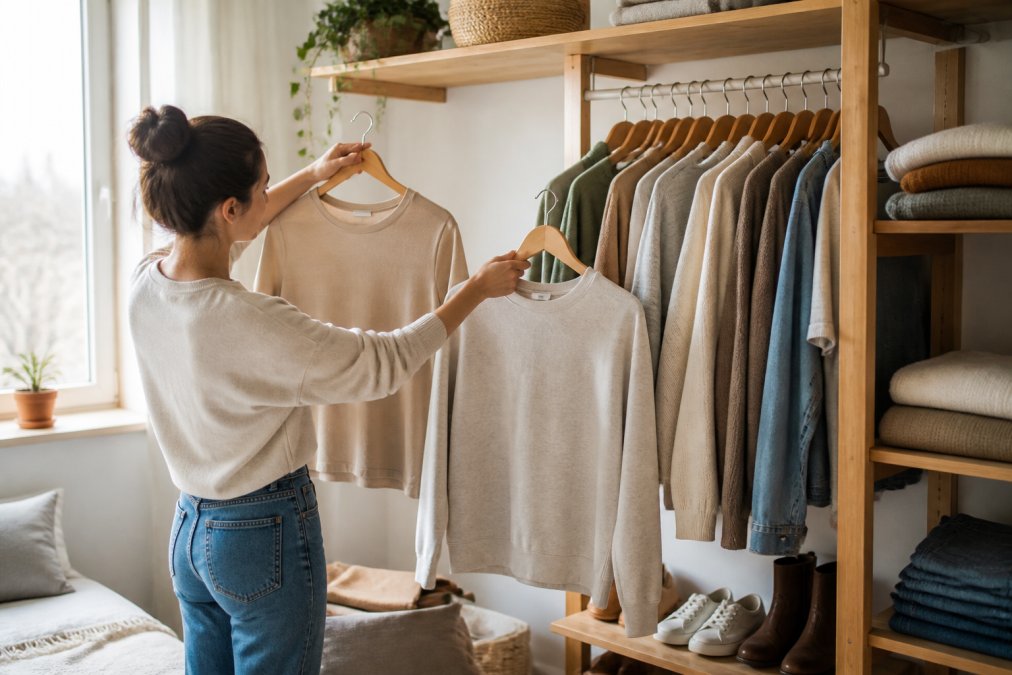
Start with a capsule wardrobe foundation: versatile basics in neutral colors like black, white, gray, navy, and beige that create maximum outfit combinations. Five to seven basic pieces form the backbone, reducing the total number of items needed.
Calculate cost-per-wear to justify spending more on fewer items. A $60 shirt worn 100 times costs $0.60 per wear, while a $20 shirt worn 10 times costs $2 per wear. Higher-quality ethical pieces typically last longer, making them economically sensible even at higher initial cost.
Shop secondhand for items outside your core basics through thrift stores, consignment shops, and online resale platforms. Learn basic garment care and repair, washing in cold water, air drying, and mending small tears extends clothing life significantly. Buy with intention rather than impulse, asking whether you'll wear it at least 30 times and whether it coordinates with pieces you already own.
Your Checklist for Choosing Ethical Brands
Use this checklist when evaluating whether a brand genuinely prioritizes ethical practices:
| Evaluation Criterion | What to Look For | Red Flag |
|---|---|---|
| Supply Chain Transparency | Published factory names, locations, audit reports | Vague claims like "ethically sourced" without details |
| Labor Standards | Living wage verification, worker rights policies, independent audits | No wage information or labor documentation available |
| Certifications | Third-party certifications (Fair Trade, GOTS, B Corp, Bluesign) | No certifications or only internal claims |
| Environmental Practices | Specific material sourcing, waste reduction targets, chemical safety standards | Generic "eco-friendly" claims without measurement |
| Impact Reporting | Annual reports showing donations, programs funded, measurable outcomes | No published impact data or vague charitable claims |
| Pricing Strategy | Prices reflect quality and ethical production costs | Suspiciously low prices compared to competitors |
| Brand History | Established track record, customer reviews, industry reputation | New brand with limited verifiable history |
| Accountability Mechanisms | Customer access to impact information, feedback systems | Limited transparency or customer communication |
Before making a purchase, visit the brand's website and look for these elements. Ethical brands make this information readily available because transparency is central to their business model. Ask yourself whether the brand's values align with yours and whether their practices match their messaging.
Remember that perfect ethical consumption doesn't exist. Even the most ethical brands make compromises. The goal isn't perfection but supporting companies genuinely trying to do better. When you choose brands committed to transparency, fair labor, and environmental responsibility, like IGIT Apparel, which channels proceeds directly into Christian youth ministry support, you're not just buying clothes. You're funding a more just and sustainable fashion system while making a meaningful impact on causes you care about. Learn more about ethical fashion standards from the Fair Trade USA certification program to deepen your understanding of what genuine ethical practices look like.
Frequently Asked Questions
What makes a clothing brand truly ethical?
An ethical clothing brand prioritizes fair wages and safe working conditions for garment workers, uses sustainable materials, maintains supply chain transparency, and minimizes environmental impact. Truly ethical brands publish detailed reports on their labor practices, source materials responsibly, and hold themselves accountable through third-party audits. They also avoid greenwashing by making honest claims about their practices rather than exaggerating their sustainability efforts.
How do I verify charity apparel donations are actually going to the cause?
Check if the brand publishes annual impact reports detailing how much revenue goes to charitable initiatives. Look for independent verification from nonprofit watchdog organizations that track charitable giving. Visit the brand's website for specific numbers, beneficiary organizations, and program outcomes. Reputable mission-driven brands like IGIT Apparel clearly state their donation structure and provide transparency about where funds are allocated, making it easy to confirm your purchase supports the intended cause.
What are the most important certifications to look for in ethical fashion?
Key certifications include Fair Trade Certified (ensures fair wages and safe conditions), Global Organic Textile Standard (GOTS) for organic materials, B Corp Certification (verified social and environmental performance), and Bluesign (controls chemical use in manufacturing). The OEKO-TEX Standard 100 certifies textiles are free from harmful substances. Brands displaying these certifications have undergone rigorous third-party audits, providing assurance their ethical claims are legitimate rather than marketing tactics.
How can I tell if a company truly supports charitable initiatives?
Request specific documentation about their charitable partnerships, including the names of organizations they support and the percentage of profits donated. Ask whether they conduct independent audits of their giving. Legitimate mission-driven brands maintain public partnerships with established nonprofits and publish regular reports. You can also contact the nonprofit directly to confirm the partnership exists. Transparency about financial impact and willingness to provide proof are hallmarks of genuine charitable commitment versus vague marketing claims.
What's the difference between sustainable materials and ethical manufacturing?
Sustainable materials focus on environmental impact, using organic cotton, recycled fibers, or plant-based textiles that reduce carbon footprint and textile waste. Ethical manufacturing addresses human impact: fair wages, safe working conditions, and labor rights for garment workers. A brand can use sustainable materials but exploit workers, or treat workers fairly while using synthetic fibers. The most ethical brands excel at both, combining responsible sourcing with fair labor practices across their entire supply chain.
How do I calculate cost-per-wear to justify ethical fashion prices?
Divide the item's price by the number of times you'll wear it. A $60 ethical shirt worn 100 times costs $0.60 per wear; a $20 fast fashion shirt worn 10 times costs $2 per wear. Ethical brands typically use durable materials and construction that last longer, making the cost-per-wear lower over time despite higher upfront prices. This calculation helps justify investing in quality pieces from mission-driven brands that also support charitable causes, since durability means you're getting better value while supporting meaningful impact.
How can I build an ethical wardrobe without spending a fortune?
Start with a capsule wardrobe of neutral basics from ethical brands that mix and match easily. Prioritize versatile pieces you'll wear frequently to maximize cost-per-wear. Shop secondhand and vintage for statement pieces to reduce demand for new production. Focus on quality over quantity, fewer, durable items last longer than many disposable pieces. Consider mission-driven brands like IGIT Apparel that align purchases with charitable impact, making each dollar spent serve double purpose. Gradually replace fast fashion items as your budget allows.
This article was written using GrandRanker