

Table of Contents
- What Makes Quality Christian Apparel That Lasts?
- Fabric Science: GSM, Cotton Blends, and Why They Matter
- Printing Methods That Stay Crack-Proof and Peel-Proof
- Christian Tees for Men: Style That Doesn't Look Preachy
- How to Care for Graphic Tees to Extend Their Life
- Ethical Manufacturing and Fit Consistency: The Hidden Markers of Quality
- Our Top Picks for Quality Christian Apparel That Lasts
- Conclusion
- Frequently Asked Questions
Last Updated: September 8, 2026
What Makes Quality Christian Apparel That Lasts?
The search for quality christian apparel that lasts usually ends in disappointment: a shirt that feels great in the store but pills, fades, or shrinks after three washes. The difference comes down to materials, construction, and printing methods. At IGIT Apparel, we've built our line around the principle that faith-based clothing should carry its message as long as it carries its wearer.
Most people assume all graphic tees are created equal. They aren't. A $10 shirt and a $25 shirt can look identical on the rack, but the $10 version often uses thinner fabric, cheaper ink, and looser construction that fails within months. What separates apparel that lasts from apparel that falls apart is a handful of specific, verifiable markers you can check before you buy.
Below, we'll walk through the fabric science, printing techniques, and construction details that determine whether a Christian tee survives a year of regular wear, plus how to care for graphic tees and our top picks for pieces that hold up.
Fabric Science: GSM, Cotton Blends, and Why They Matter
The single most reliable predictor of a garment's lifespan is its fabric weight, measured in GSM (grams per square meter). Quality christian apparel that lasts typically starts at 180 GSM for t-shirts, with heavyweight options reaching 200 GSM or more (peer-reviewed research). Anything below 150 GSM is tissue-thin and will stretch, sag, or become see-through quickly.
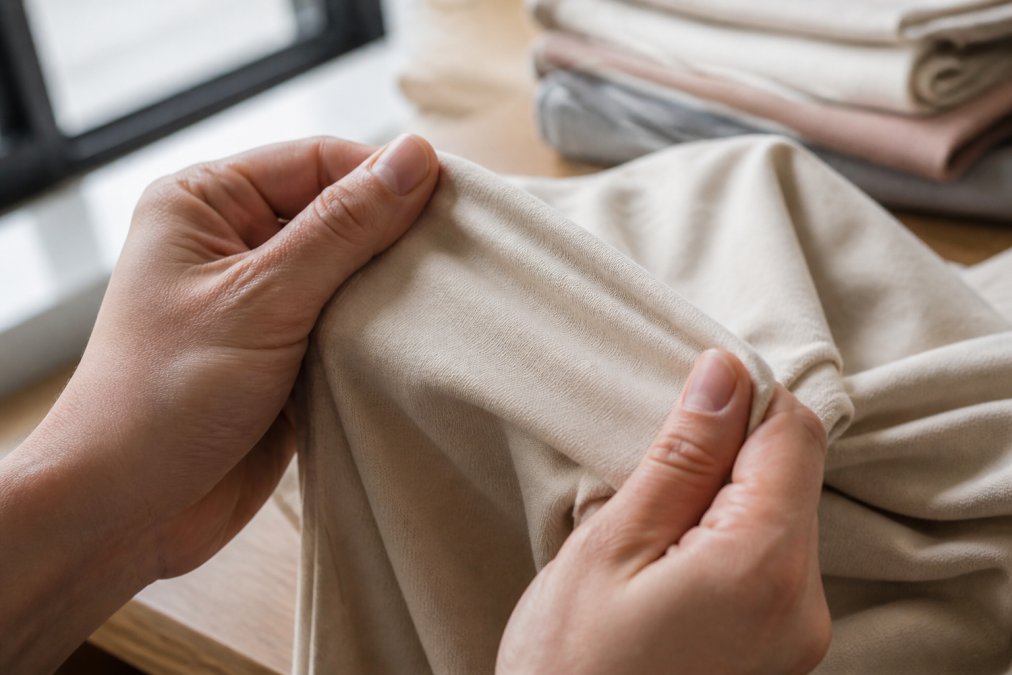
But GSM alone doesn't tell the whole story. A 180 GSM fabric made with a loose, open weave will pill and lose its shape faster than a 170 GSM fabric with a tight, compact weave. Hold a garment up to the light; if you can see a grid of light through the fabric, the weave is too loose for long-term durability.
Cotton content matters just as much as weight. A 100% cotton tee offers breathability and a soft-hand feel, but pure cotton can shrink if not preshrunk. Cotton-polyester blends, like the 50/50 or 80/20 mixes common in fleece and hoodies, add durability and reduce wrinkling. Ring-spun cotton, twisted into finer, stronger yarns, resists pilling better than carded cotton.

For hoodies and sweatshirts, look for midweight fabrics in the 8 oz/yd² range. Air-jet spun yarn produces a softer fleece with noticeably less pilling over time. These details determine whether your garment still looks presentable after a year of weekly rotation.
A Practical GSM Guide for Christian Apparel
To make this concrete, here's how fabric weight translates to real-world performance for different garment types:
| Garment Type | GSM Range | What It Means for You |
|---|---|---|
| Lightweight Tee | 130-150 GSM | Best for hot climates or layering; expect a shorter lifespan with frequent wear |
| Standard Tee | 150-170 GSM | A decent everyday option; may become sheer after repeated washing |
| Quality Tee | 180-200+ GSM | The sweet spot for durability; holds shape, resists sagging, and maintains opacity |
| Heavyweight Hoodie | 240-300 GSM (or 8-10 oz/yd²) | Substantial warmth and structure; the outer layer that will last for years |
The Yarn Count and Twist Rate Factor
Beyond GSM, the yarn itself has a specification called the yarn count, expressed as 'Ne' (English cotton count). A higher Ne number indicates a finer, higher-quality yarn. For durable t-shirts, look for a yarn count in the 20s to 30s range, as finer yarns can be woven more tightly, creating a smoother, denser fabric that resists abrasion and pilling.
The twist rate of the yarn is another hidden spec. High-twist yarns are tighter and stronger, making them more resistant to breaking and pilling. Ring-spun cotton inherently has a higher twist than carded cotton, which is why it's the preferred choice for premium blanks.
Why This Technical Detail Matters for Your Faith-Based Purchase
Most Christian apparel brands don't publish their GSM or yarn count because they're buying the cheapest blanks available. When a brand like IGIT Apparel specifies a 180 GSM minimum and ring-spun cotton, it's a verifiable commitment to quality. You're not just trusting a marketing claim; you're checking a spec sheet.
Printing Methods That Stay Crack-Proof and Peel-Proof
Print quality is where most graphic apparel fails. A design that cracks, peels, or fades within a few washes turns a meaningful piece of clothing into an embarrassment. The two main methods used for modern faith-based apparel are screen printing and Direct-to-Garment (DTG) printing.
Screen printing pushes ink through a mesh stencil, creating a thicker layer that sits on top of the fabric. It's durable and wash-resistant, but works best on simple designs with limited colors. DTG printing, which IGIT Apparel uses, functions like a high-speed inkjet printer, injecting dye directly into the fabric fibers for finer detail, softer texture, and a print that becomes part of the garment.
The key advantage of DTG for Christian apparel is that it handles intricate typography and detailed artwork without the stiffness of heavy screen-printed layers. The design won't crack because there's no thick ink film to crack. For the print to stay vivid, the garment must be made from high-quality textiles that accept the dye evenly.
Christian Tees for Men: Style That Doesn't Look Preachy
Many men avoid faith-based clothing because it reads as a billboard rather than a personal statement. The best christian tees for men embrace minimalist design: a small chest logo, a subtle back print, or a clean typographic treatment that sparks conversation without shouting.
Testimony-based design should reflect the gospel truth of the message, not just slap a Bible verse on a stock graphic. Look for pieces where the artwork and text work together, where the design feels intentional rather than generic. A shirt that looks good even without the Christian element, but gains deeper meaning from it, is the sweet spot.
Fit is equally important. Unisex sizing can be inconsistent across brands, so pay attention to the garment's stated fit. Regular fit tees with taped shoulders and ribbed collars maintain their shape better through washing.
How to Care for Graphic Tees to Extend Their Life
The way you wash and dry your apparel affects its lifespan more than the initial quality. Even the best quality christian apparel that lasts will degrade quickly if mistreated. The most common mistake is using hot water and high-heat drying, which breaks down elastic fibers and causes shrinkage.
Follow these garment care instructions to protect your prints and fabric:
- Wash graphic tees inside out in cold water to shield the print from friction
- Use a gentle cycle and mild detergent; avoid bleach and fabric softeners
- Air dry whenever possible, or use the lowest heat setting on your dryer
- Never iron directly over the printed design; iron inside out or use a press cloth
- Fold tees rather than hanging them to prevent shoulder stretching
The 20-Wash Test: What Actually Happens to Your Prints
Here's what you can generally expect from quality DTG-printed, 180 GSM cotton tees after repeated washes:
Washes 1-5: The Critical Break-In Period The first few washes are when most shrinkage occurs. A quality preshrunk tee will generally lose minimal dimensions. The print surface may soften slightly, but there should be no visible cracking or fading.
Washes 6-15: The Stability Window This is where the garment should reach its final dimensions and the print should stabilize. Colors generally remain vibrant, and the fabric's hand-feel softens without losing structural integrity. The shoulder seams should remain flat, and the collar should retain its ribbed shape.
Washes 16-20+: The True Test of Quality After 20 washes, a quality DTG print on a heavyweight fabric will generally show only minor fading and minimal cracking. The fabric will have a broken-in softness but should still hold its shape when laid flat.
Why DTG Prints Fail Prematurely (And How to Prevent It)
Direct-to-Garment printing injects water-based ink into the fabric fibers, creating a bond that's part of the garment itself. However, this bond is vulnerable to two specific enemies:
-
Friction: When you wash a graphic tee right-side-out with heavy items like jeans, the abrasive action can wear away the surface fibers that hold the ink. Washing inside out creates a protective barrier.
-
Heat Degradation: The water-based inks used in DTG printing are heat-set during manufacturing. High dryer heat can partially re-liquefy and break down that set, causing the ink to fade or bleed. This is why the low-heat or air-dry recommendation isn't optional, it's mechanical protection.
A Simple Fade Test You Can Do at Home
To objectively measure whether your apparel is losing its quality, you can perform this quick check periodically:
- Place the garment on a flat surface under consistent, bright lighting
- Compare the printed area's color intensity to a small, unprinted section of the same fabric (like the inside hem)
- If the print has faded significantly, your care routine or the garment's quality may be a factor.
- Check for 'crazing', fine spider-web lines in the print, which indicates the ink film is beginning to crack
The Environmental Argument for Proper Care
The care you give your garments has a direct environmental impact. The average American throws away approximately 81 pounds of clothing annually, much of it ending up in landfills (the EPA). Extending the life of a single cotton t-shirt by just 9 months reduces its carbon, waste, and water footprint by roughly 20-30% (europa.eu). When you care for your Christian apparel properly, you're practicing stewardship of the resources God has entrusted to you.
Ethical Manufacturing and Fit Consistency: The Hidden Markers of Quality
Quality extends beyond the physical garment to how it's made. Sustainable and ethical manufacturing practices, such as sourcing cotton through programs that support responsible farming, indicate a brand that cares about more than margins.
Fit consistency is another underappreciated marker. A brand that maintains consistent sizing across colors and production runs demonstrates disciplined manufacturing. When you buy the same size in a different color and it fits identically, that's the result of rigorous quality assurance.
Heavyweight cotton and durable blends last longer, which means fewer replacements and less textile waste. Choosing apparel built to last is itself a sustainable choice, one that aligns with the stewardship values many Christian consumers prioritize.
Our Top Picks for Quality Christian Apparel That Lasts
When you're ready to invest in pieces that will hold up, these options from IGIT Apparel combine durable construction with designs that respect both your faith and your style. Every purchase supports Christian ministries focused on youth and teenagers.
| Product | Fabric | Weight | Best For |
|---|---|---|---|
| Unisex Ultra Cotton Tee | 100% cotton, preshrunk | Heavyweight | Everyday wear, layering |
| Ultra Cotton Long Sleeve Tee | 100% cotton, preshrunk | Heavyweight | Cooler months, casual office |
| Midweight Softstyle Crewneck | 80% ring-spun cotton / 20% polyester | Midweight | Comfort and durability balance |
| Heavy Blend Full Zip Hoodie | 50% cotton / 50% polyester | 8 oz/yd² | All-season layering |
Our top pick is the Unisex Ultra Cotton Tee at $23.50. It features taped shoulders, no side seams for a clean silhouette, and a ribbed collar that resists stretching. The 100% cotton construction is sustainably sourced, and the DTG printing keeps your design vibrant through dozens of washes.

For cooler weather, the Unisex Midweight Softstyle Fleece Crewneck Sweatshirt at $24.50 pairs a brushed interior with ring-spun cotton for unmatched softness. The Unisex Heavy Blend Full Zip Hoodie at $35.00 uses air-jet spun yarn to resist pilling.
Conclusion
Finding quality christian apparel that lasts requires looking past the design and examining the fabric weight, printing method, and construction details that determine longevity. Christian apparel should reflect the durability of the faith it represents.
The clothing you wear is a form of testimony. When it's made well, it carries that testimony further. IGIT Apparel builds every piece with heavyweight fabrics, DTG printing that won't crack or peel, and fit consistency you can rely on, all while funding ministries that support young believers.
Frequently Asked Questions
What should I look for in high-quality Christian apparel?
Focus on fabric weight (GSM), material composition, and print method. Look for heavyweight cotton or cotton-polyester blends around 180-240 GSM for durability. Check that the design is screen printed or DTG printed, as these methods generally resist cracking and peeling. Also, examine the stitching and seams. Taped shoulders and ribbed collars indicate better construction that holds its shape after repeated washes.
How do I know if a Christian clothing brand uses durable materials?
Read the product specifications for fiber content and fabric weight. Preshrunk 100% cotton or a cotton-polyester blend signals good longevity. Look for details like ring-spun cotton, which is softer yet stronger than conventional cotton. Also, check for brands that specify their printing technique. Direct-to-garment (DTG) printing and screen printing are the most wash-resistant methods, ensuring your faith-based design stays intact.
How can I make my Christian graphic tees last longer?
Wash your graphic tees inside out in cold water to protect the print. Avoid using bleach or fabric softeners, as they break down the fibers and the ink over time. Tumble dry on low heat or, better yet, hang them to dry. High heat is the main cause of shrinkage and print cracking. Following these steps will keep your apparel looking new and your message clear for years.
Get started with IGIT Apparel and invest in apparel that lasts, supports youth ministry, and arrives with free shipping and secure checkout.