

Table of Contents
- Understanding Fabric Quality in Christian Apparel
- Construction and Durability Standards
- Design and Aesthetic Quality
- Ethical Christian Clothing Manufacturing
- Modern Christian Clothing for Young Adults
- Best Christian Clothing Brands: What Sets Them Apart
- Care and Maintenance for Long-Lasting Quality
- Evaluating Value: Price, Mission, and Quality
Last Updated: August 21, 2026
Understanding Fabric Quality in Christian Apparel
Quality Christian clothing starts with fabric selection. What separates a t-shirt that lasts years from one that falls apart after a few washes comes down to fiber selection, yarn construction, and weight specifications.
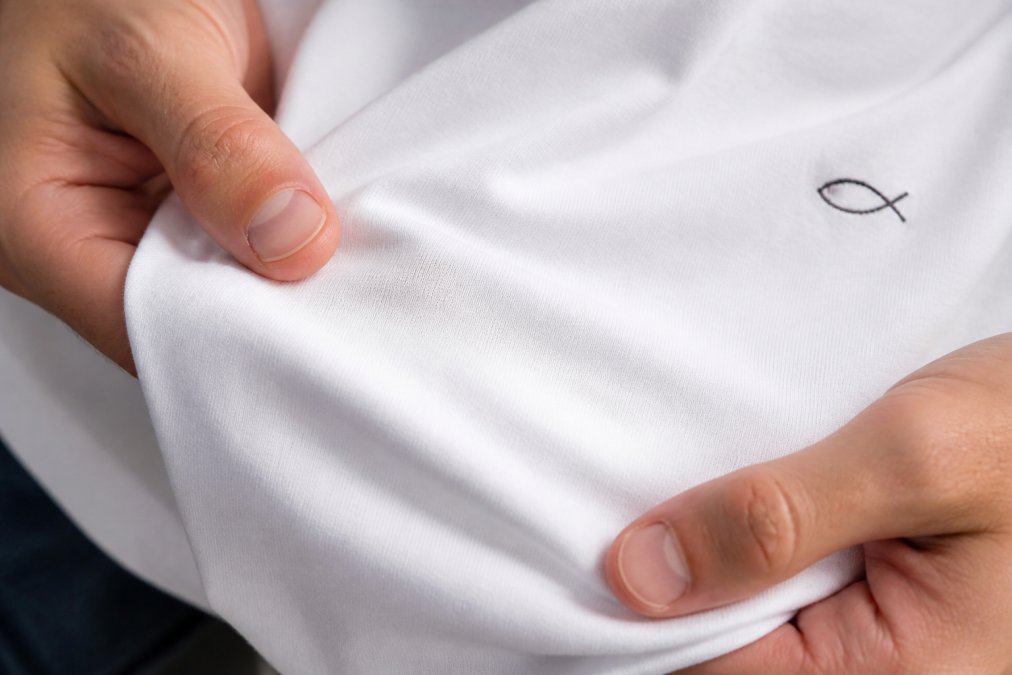
Combed and Ring-Spun Cotton: The Foundation
Combed cotton removes short fibers and impurities, leaving only the longest, strongest strands. This creates fabric that's softer, more durable, and more resistant to pilling than standard cotton.
Ring-spun cotton uses traditional ring-spinning technology to create a tighter, more compact thread than open-end spinning. This produces fabric with superior strength, softness, and color retention. IGIT Apparel's Men's Jersey Curved Hem Tee uses 100% Airlume combed and ring-spun cotton for this reason, it delivers a butter-soft feel while resisting wear and fading over time. Ring-spun cotton garments maintain their shape through washing, resist shrinkage more effectively, and develop a softer hand-feel with repeated wear.

GSM and Weight: What the Numbers Mean
GSM (grams per square meter) measures fabric density and weight. Higher GSM indicates heavier, thicker fabric that predicts durability and performance.
Lightweight Christian apparel typically measures 150-180 GSM and works well for layering or warm weather, though it's more prone to transparency (peer-reviewed research). Mid-weight fabrics range from 180-220 GSM, offering balance between durability and breathability. Heavyweight fabrics exceed 220 GSM and provide maximum durability and opacity, ideal for hoodies designed for repeated wear.
For everyday wear, look for fabrics in the 180-250 GSM range. Anything below 150 GSM feels insubstantial; anything above 250 GSM may sacrifice breathability unnecessarily for casual apparel.
Construction and Durability Standards
Quality fabric means nothing if the garment falls apart at the seams. Construction determines whether your Christian clothing investment lasts one season or five.
Stitch Density and Seam Integrity
Stitch density refers to stitches per inch along a seam. Professional apparel manufacturers typically use 12-16 stitches per inch on major seams (peer-reviewed research). Anything below 10 indicates lower quality; anything above 16 indicates premium craftsmanship.
Double-stitched seams, where thread runs along a seam twice, are stronger than single-stitched alternatives. Reinforced seams at stress points like armholes, necklines, and bottom hems prevent tearing during wear and washing.
Shrinkage Resistance and Colorfastness
Shrinkage occurs when fibers contract during washing. Quality Christian clothing uses pre-shrunk fabric or special treatments to limit shrinkage to 2-3% or less (astm.org). This ensures fit consistency, a shirt that fits perfectly fresh from the package remains wearable after washing.
Colorfastness measures how well dyes bond to fibers. Quality manufacturers use dyes that bond tightly to ring-spun fibers, ensuring bold typography and faith-based messaging remain vibrant through dozens of wash cycles.
Design and Aesthetic Quality
Beyond fabric and construction, design execution separates quality Christian clothing from pieces that feel cheap or dated.
Screen Printing vs. Direct-to-Garment (DTG) Printing
Screen printing applies ink through a mesh screen, producing vibrant, long-lasting graphics that don't crack or fade easily. It works best for bold, solid-color designs.
Direct-to-garment (DTG) printing uses digital inkjet technology to apply designs directly to fabric, capturing fine detail and gradients with precision. IGIT Apparel uses DTG printing for many pieces, including the Unisex Ultra Cotton Tee, allowing detailed faith-based messaging without traditional screen printing limitations.

Premium inks bond better to fabric fibers, resist cracking during wear and washing, and maintain color saturation longer than budget alternatives.
Minimalist vs. Bold Typography in Faith-Based Design
Minimalist design uses simple, clean graphics and subtle messaging, appealing to wearers who want faith expression without drawing excessive attention. Bold typography makes a statement with large text and prominent symbols, resonating with young adults who view clothing as identity-driven expression.
Quality lies in execution. Well-designed minimalist pieces use proper spacing and strategic placement. Quality bold designs balance visual impact with wearability, avoiding the "preachy vibe" that turns away younger audiences. The best Christian clothing brands design pieces that feel contemporary and intentional, whether minimalist or bold.
Ethical Christian Clothing Manufacturing
Quality extends beyond what you can see and feel. Ethical manufacturing means fair wages, safe working conditions, and transparent supply chains. Many faith-focused consumers want to know their money supports both quality apparel and ethical labor practices.
IGIT Apparel's mission-driven model directly addresses this concern. Every purchase fuels support for Christian ministries and youth initiatives, making the brand's values transparent from the point of sale. Sustainable sourcing using organic cotton or recycled fibers increasingly matters to Christian consumers, reflecting stewardship values.
Modern Christian Clothing for Young Adults
Today's best faith-inspired apparel competes aesthetically with secular streetwear while maintaining clear faith messaging. The design must feel current using contemporary color palettes and typography, while the faith message remains authentic, not performative.
Young adults view clothing as identity expression and want pieces that signal their values without requiring explanation. Quality Christian apparel for this demographic balances subtlety with clarity. The best brands understand Gen Z aesthetics, avoid the "corny" factor through thoughtful design, and recognize that authenticity matters more than forced trendiness.
Best Christian Clothing Brands: What Sets Them Apart
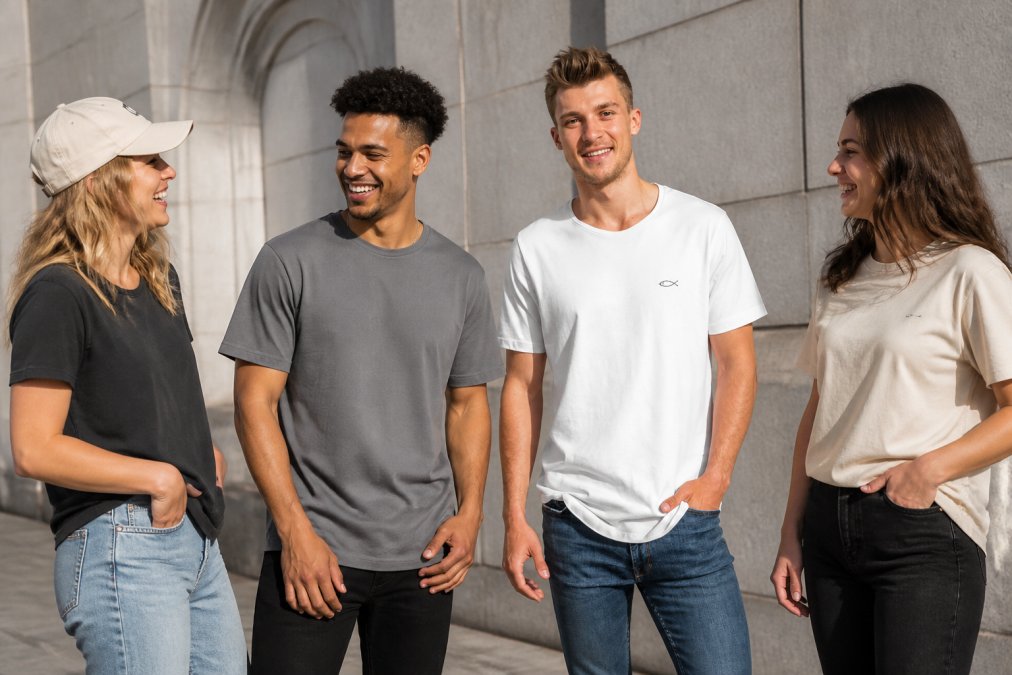
The best Christian clothing brands prioritize fabric quality, invest in construction standards, design contemporary pieces, and maintain transparent values alignment.
IGIT Apparel stands out as a mission-driven leader. The brand offers diverse faith-inspired clothing for men, women, and kids, with every purchase directly supporting Christian youth ministries. The product line demonstrates commitment to quality using combed and ring-spun cotton, proper stitch density, and DTG printing. The Men's Jersey Curved Hem Tee showcases butter-soft premium cotton construction, while the Unisex Heavy Blend™ Full Zip Hooded Sweatshirt uses heavier fabric weight for durability. Free shipping and secure payments remove friction from purchase, while the youth ministry focus appeals to families and church groups.

IGIT Apparel's transparency differentiates it from competitors. Rather than obscuring revenue allocation, the brand makes its mission central to its identity. Pieces avoid the dated aesthetic plaguing many faith-inspired brands, feeling intentional and contemporary while appealing to young adults unwilling to compromise style for faith expression.
Care and Maintenance for Long-Lasting Quality
Even premium Christian clothing deteriorates without proper care. Turn garments inside out before washing to reduce fading and pilling. Use cold water for most pieces; hot water accelerates shrinkage and fading. Wash with like colors to prevent dye transfer and avoid bleach, which breaks down cotton fibers.
Air-drying preserves fabric integrity and extends garment life substantially. If machine drying is necessary, use low heat and remove items while slightly damp. Fold heavy pieces like sweatshirts rather than hanging them, which stretches necklines and shoulders. Store in cool, dry environments away from direct sunlight.
Evaluating Value: Price, Mission, and Quality
True value considers three factors: fabric quality (fiber type, GSM, and construction standards), design execution (printing quality and contemporary relevance), and mission alignment (whether the brand's values match yours and whether claims are verifiable).
IGIT Apparel's pricing reflects this value equation. The Men's Jersey Curved Hem Tee at $28.50 delivers premium combed and ring-spun cotton construction at an accessible price point. The Unisex Midweight Softstyle Fleece Crewneck Sweatshirt at $24.50 offers substantial quality using 80% ring spun cotton and 20% polyester blend with brushed interior comfort. The Unisex Heavy Blend™ Full Zip Hooded Sweatshirt at $35.00 justifies its higher price through heavier fabric weight and construction quality.
Consider cost-per-wear: a $35 sweatshirt worn 100 times across three years costs $0.35 per wear, while a $15 alternative worn 20 times before deteriorating costs $0.75 per wear. Quality Christian clothing delivers better economics long-term, even at higher initial prices.
Finding quality Christian clothing requires understanding fabric science, construction standards, design principles, and brand values. These technical details directly predict how garments perform through years of wear and washing.
IGIT Apparel demonstrates how these standards, combined with transparent mission alignment and contemporary design, create pieces serving both practical and spiritual purposes. When you invest in quality faith-inspired apparel, you're making a statement about what matters while supporting the next generation of believers.
Frequently Asked Questions
How can you tell if a Christian clothing brand is high quality?
High-quality Christian clothing starts with fabric composition. Look for combed and ring-spun cotton, which creates softer, more durable garments. Check the GSM (grams per square meter), higher GSM indicates a heavier, more substantial fabric. Examine stitching for consistent density and reinforced seams at stress points. Quality brands specify shrinkage resistance and use colorfastness testing to ensure designs don't fade. Finally, verify ethical manufacturing practices and transparency about where production occurs.
What materials are best for long-lasting faith-based t-shirts?
Combed and ring-spun cotton is the gold standard for durability in Christian apparel. These processes remove short fibers and align longer ones, creating stronger fabric that resists pilling and maintains shape through repeated washing. A heavyweight fabric (typically 180-200 GSM) lasts longer than lightweight alternatives. Blends like 80% ring-spun cotton with 20% polyester add durability while maintaining breathability. Air-jet spun yarn reduces pilling further. Quality Christian clothing brands specify these technical details, showing they prioritize apparel longevity.
What's the difference between screen printing and DTG printing on Christian clothing?
Screen printing applies ink in layers directly onto the fabric surface, creating bold, opaque designs that are highly durable. DTG (direct-to-garment) printing uses inkjet technology to print detailed designs directly onto the garment, allowing for more intricate graphics and better color accuracy. DTG works better for complex, multi-color designs and smaller production runs. Screen printing typically offers superior ink quality and longevity for simpler designs. Both methods are valid; the choice depends on design complexity and the specific aesthetic of the Christian apparel.
Does ethical manufacturing affect the quality of Christian clothing?
Yes. Ethical Christian clothing manufacturing often correlates with higher quality because responsible production ensures consistent standards, better working conditions, and fewer shortcuts. Brands committed to fair labor practices and sustainable sourcing typically invest in premium materials and construction techniques. They're more likely to conduct wash-testing, monitor stitch density, and use colorfastness standards. Transparency about manufacturing location and practices indicates a brand's confidence in its quality. Supporting ethical Christian clothing manufacturing means you're buying garments made with care and accountability.
This article was written using GrandRanker