

Table of Contents
- What Mission-Driven Apparel Actually Means
- The Benefits of Ethical Fashion and Conscious Choices
- How Purchasing Decisions Create Real Impact
- Supporting Youth Ministries Through Fashion
- How to Identify Mission-Driven Brands Worth Supporting
- Greenwashing vs. Authentic Impact: What to Watch For
- Building a Wardrobe That Reflects Your Values
Last Updated: August 30, 2026
What Mission-Driven Apparel Actually Means
Mission-driven apparel is clothing designed and sold with a specific social or charitable purpose beyond profit. Every purchase directly funds a cause, whether that's supporting youth ministries, environmental initiatives, or community development. At IGIT Apparel, this isn't a marketing angle, the entire company exists to channel revenue toward Christian youth ministries. When you buy a piece from IGIT, a portion goes directly to helping teenagers through faith-based programming.
Mission-driven apparel also prioritizes quality. These aren't cheap basics with a cause slapped on the label. Real mission-driven brands invest in quality materials, thoughtful design, and durability because the product must reflect the values behind it. This model flips traditional retail: instead of extracting maximum profit while donating a token percentage, mission-driven apparel makes the cause central to the business.
The Benefits of Ethical Fashion and Conscious Choices
Choosing ethical fashion means understanding the full lifecycle of what you wear and making purchasing decisions aligned with your values. Ethical fashion addresses real problems in conventional manufacturing: low-wage labor, minimal worker protections, ignored environmental stewardship, and harmful chemical treatments (ilo.org).
The personal benefit is equally real. Wearing clothing that aligns with your values creates integrity. Your wardrobe becomes an expression of what you actually believe. For Christians seeking to live out their faith visibly, mission-driven apparel accomplishes something ordinary clothing can't: it makes your beliefs wearable.
Ethical brands typically make clothing meant to last. Better construction, quality materials, and thoughtful design mean your pieces stay in rotation longer. You buy less often, spend less overall, and generate less waste. Ethical fashion also builds community, when you wear apparel that supports youth ministries, you signal alignment with others who share those values. Supply chain transparency eliminates the cognitive dissonance of wearing something made through exploitation while claiming to care about justice.
How Purchasing Decisions Create Real Impact
Your purchasing decisions have real consequences. When you buy mission-driven apparel, specific outcomes follow.

A youth ministry needing funding for a summer program might raise a few hundred dollars through traditional fundraising. Mission-driven apparel flips this: every person who buys a shirt generates impact without asking for anything beyond a purchase they'd make anyway. Scale that across dozens or hundreds of purchases, and a single design might generate revenue funding a semester's worth of programming.
When teenagers wear apparel that supports their own ministries, they're wearing a visible reminder of their community's mission. It reinforces belonging and makes the cause tangible. For gift-givers, mission-driven apparel solves a real problem: you want to give something meaningful, not just another generic item. The recipient gets quality clothing, and a youth ministry gets funding.
The cumulative effect is powerful. One purchase seems small, but when hundreds of people make the same choice, it compounds into meaningful funding without relying on grants or large donations. This model also creates accountability, a mission-driven brand's entire reputation depends on actually delivering on its promise. The incentive structure favors transparency and integrity.
Supporting Youth Ministries Through Fashion
Youth ministries face chronic funding challenges (peer-reviewed research). Traditional revenue sources rarely cover what's actually needed for programming, retreats, speakers, transportation, and materials. Mission-driven apparel creates a new funding channel that doesn't require asking for donations, people buy clothing they need anyway, and a portion funds youth work.
IGIT Apparel specifically targets this gap. When you buy from IGIT, you're purchasing quality apparel that happens to fund Christian youth initiatives. This funding model works particularly well because teenagers themselves become part of the distribution network. When a youth group wears IGIT apparel, they're marketing the brand organically.
The apparel itself can become part of youth ministry identity. A church youth group wearing matching IGIT pieces creates visible community and signals belonging. For youth leaders, mission-driven apparel simplifies logistics, instead of organizing a fundraiser, you can encourage youth and families to shop from a brand aligned with your mission. The funding happens automatically through normal consumer behavior.
How to Identify Mission-Driven Brands Worth Supporting
Not every brand claiming a mission actually delivers. Learning to distinguish authentic mission-driven brands from pretenders is essential.
Start with transparency about money. Real mission-driven brands clearly state what percentage of each sale funds their cause and publish impact reports. Look for specificity in the cause itself, "funding Christian youth ministries" signals genuine purpose, while vague missions like "supporting communities" are red flags.
Check product quality. Mission-driven apparel should be genuinely good clothing, not cheap basics with a cause attached. Quality construction, durable materials, and thoughtful design signal that the brand respects both the product and the customer. Examine the brand's communication, authentic mission-driven brands weave their purpose into their identity naturally rather than constantly demanding recognition for their charity.
Look for third-party verification when possible. Some mission-driven brands get certified by organizations that verify their claims or partner with established nonprofits. Consider the brand's longevity and stability, a brand consistent about its mission for years is more trustworthy than a startup that might pivot when the cause becomes less trendy. Check customer reviews for mentions of the cause and impact.
Greenwashing vs. Authentic Impact: What to Watch For
Cause-washing occurs when a brand claims to support a cause while actual impact is minimal. A company adds charitable messaging to marketing, charges a premium for "ethical" products, and keeps most revenue. The cause becomes a marketing tool rather than a business driver.
Red flags include vague impact claims. "We support communities" tells you nothing; "We've funded 47 youth ministry programs across 12 states" tells you everything. Watch for premium pricing without premium ethics, if a brand charges significantly more but sources from the same factories as conventional brands, that's a warning sign.
Examine certifications carefully. Fair Trade Certified and B Corp certification carry weight; a brand's own certification claiming they're "ethical" means nothing (bcorporation.net). Look for transparency about supply chains, authentic mission-driven brands can tell you where apparel is made and what conditions workers face. The most obvious sign of authentic impact is consistency over time. A brand supporting the same cause for years has genuine commitment.
IGIT Apparel's approach is straightforward: every purchase directly funds Christian youth ministries. No complexity, no hidden percentages. The mission is central to the business model, not an add-on to marketing.
Building a Wardrobe That Reflects Your Values
Creating a wardrobe that reflects your values is about intentional choices, not perfection. You don't need to replace everything overnight, start by being conscious about new purchases.
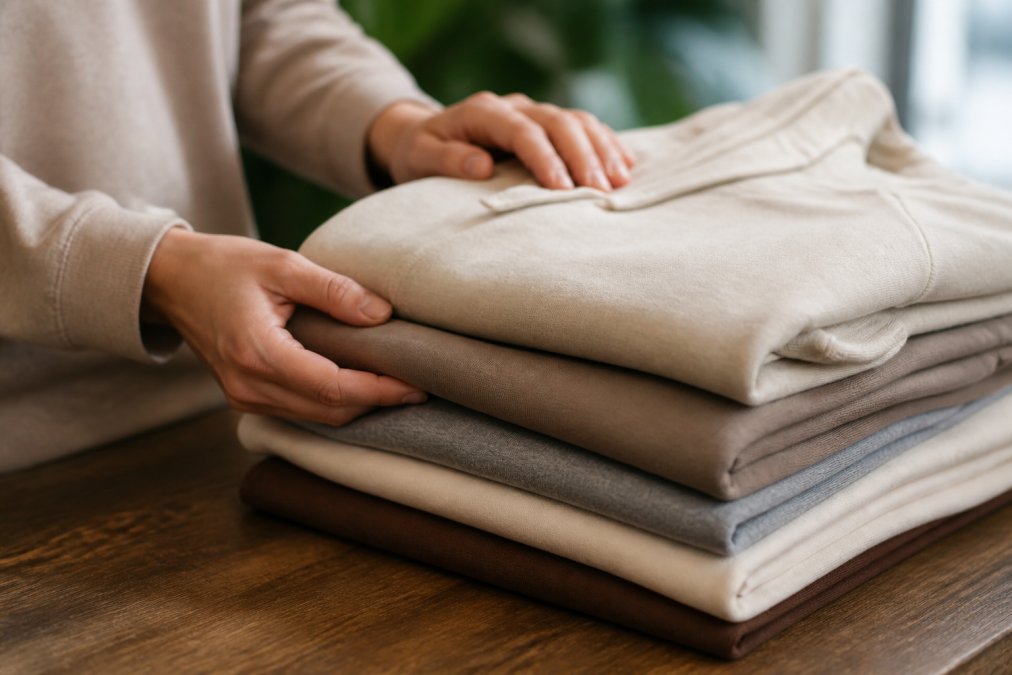
Begin with basics that align with your values. For Christians, that might mean faith-inspired t-shirts or apparel with designs expressing belief. IGIT Apparel's designs range from bold statements like "Pointing Kids To Jesus" to subtle pieces like "Subtle Support," all made with quality construction that lasts.

The "Pointing Kids To Jesus" shirt ($28.50) works as a foundational piece. It's 100% cotton with twill tape shoulders for durability and ribbed knit collar to prevent curling. You can wear it to youth group, church, or casual settings. Consider your lifestyle when building a values-aligned wardrobe. If you're active in youth ministry, apparel signaling that commitment makes sense. If you're navigating a secular workplace, subtle faith-inspired pieces let you express beliefs without friction.
Quality matters more than quantity. A few durable pieces you actually wear beat a closet full of cheap items. Mix mission-driven pieces with basics, you don't need every item to carry a cause. A faith-inspired t-shirt paired with regular jeans creates a balanced look. Think about your audience and different contexts where the same piece communicates differently.
Consider the lifecycle of your purchases. Mission-driven apparel should be something you wear frequently and keep for years. That makes the impact more meaningful, you're not just funding a cause once; you're wearing that funding every time you put on the shirt.
| Piece | Best For | Quality Features | Price |
|---|---|---|---|
| Pointing Kids To Jesus | Youth groups, church, casual wear | 100% cotton, twill tape shoulders, ribbed collar | $28.50 |
| Is God Real | Workouts, everyday wear | Combed ring-spun cotton, premium fit, light fabric | $24.50 |
| GOD IS MY ROCK | Unisex versatility, layering | Combed ringspun cotton, no side seams, crew neck | $24.50 |
| Subtle Support | Understated faith expression | 100% cotton, durable construction, crew neck | $24.50 |
Building a values-aligned wardrobe is an ongoing practice. Each purchase is a chance to reinforce what matters to you. Over time, your closet becomes a reflection of your actual beliefs rather than just a collection of whatever was convenient. When you choose mission-driven apparel, you're making a statement about what you value and who you want to support. That statement, repeated through every purchase, compounds into real impact.
Frequently Asked Questions
Q: How do I know the money from my purchase actually supports youth ministries?
A: Mission-driven apparel companies like IGIT Apparel should clearly state their giving model on their website and offer transparency reports. Ask for specifics: what percentage of each purchase goes to ministries, which organizations receive funding, and how frequently they publish impact reports. If a company avoids these questions, that's a red flag.
Q: What are the main benefits of ethical fashion compared to fast fashion?
A: Ethical fashion prioritizes fair labor practices, sustainable materials, and durability over rapid production cycles. This means workers earn fair wages, garments last longer, and environmental waste decreases. Mission-driven apparel adds another layer: your purchase funds social causes. While ethical pieces may cost more upfront, they reduce overall spending by lasting years instead of months, making them a better value and reflecting your values.
Q: How can I verify that a brand's mission claims are actually authentic?
A: Look for specific, measurable commitments rather than vague language. Authentic mission-driven brands name the organizations they support, publish donation amounts, and share impact stories. Check their supply chain transparency, certifications from labor organizations, and customer reviews mentioning the mission. Visit their website for detailed information about manufacturing practices. Greenwashing uses emotional language without concrete details, authentic brands provide proof.
Q: Does mission-driven apparel cost significantly more than regular clothing?
A: Mission-driven apparel like IGIT Apparel's pieces range from $24.50 to $28.50, which is comparable to mainstream retailers. The difference isn't always price, it's where your money goes. You're paying for quality construction, ethical practices, and social impact. While some premium mission-driven brands cost more, many offer competitive pricing because they prioritize impact over excessive profit margins, making conscious fashion accessible.
This article was written using GrandRanker